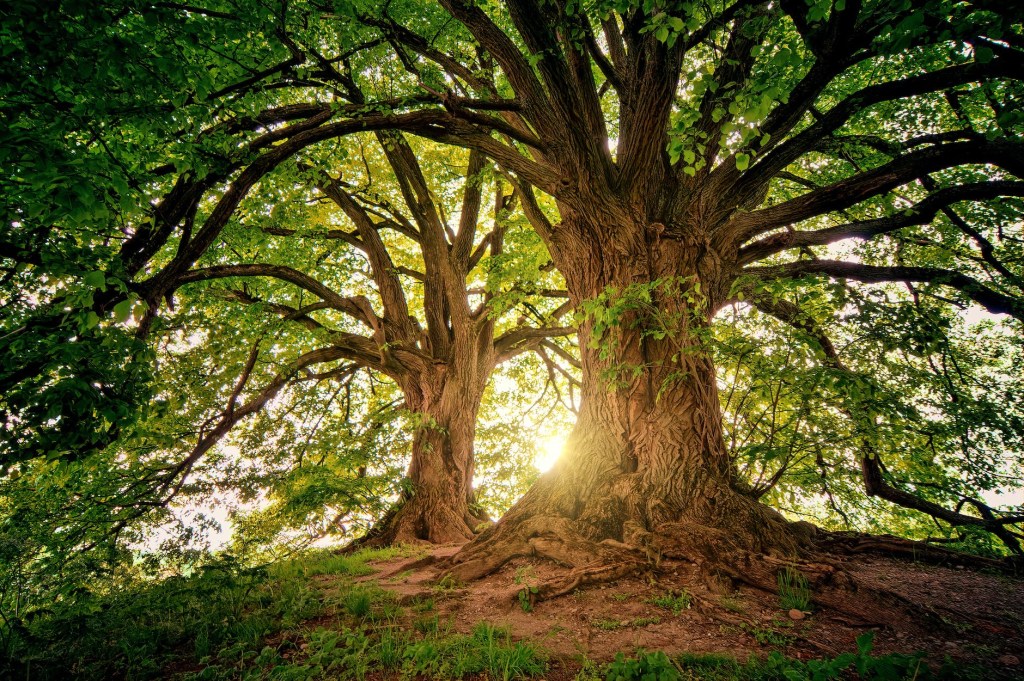
Trees are a vital part of our planet’s ecosystem, and they provide numerous benefits to the environment and our health. They are the largest and oldest living organisms on earth and play a crucial role in maintaining the balance of the ecosystem. The importance of trees is often overlooked, but they are a valuable asset that we cannot afford to lose. Trees provide us with oxygen, absorb carbon dioxide, and support a diverse range of wildlife. In this article, we will discuss the significance of trees and their contributions to our environment and health.
Environmental Benefits of Trees:
- Oxygen Production: Trees are often referred to as the lungs of the earth because they produce oxygen through the process of photosynthesis. A single mature tree can produce enough oxygen to support two human beings.
- Carbon Dioxide Absorption: Trees absorb carbon dioxide, which is a major contributor to climate change. They store carbon in their trunks, branches, and leaves, helping to mitigate the negative impact of carbon emissions.
- Ecosystem Support: Trees provide essential support to the ecosystem. They are an integral part of the food chain, providing habitat and food for a range of animals, insects, and birds.
- Biodiversity: Trees support a diverse range of plant and animal species, which is crucial for maintaining a healthy ecosystem. Trees provide a habitat for wildlife, and they also support the growth of other plants.
- Climate Change Mitigation: Trees play a crucial role in mitigating the effects of climate change. They absorb carbon dioxide and other greenhouse gases, reducing the amount of carbon in the atmosphere. Trees also help to regulate the temperature of the earth by providing shade and reducing the impact of heat waves.
- Soil Conservation: Trees help to prevent soil erosion by anchoring the soil with their roots. They also improve soil fertility by providing organic matter and nutrients.
- Energy Conservation: Trees provide shade in the summer and act as windbreaks in the winter, reducing the amount of energy needed to heat and cool buildings. This helps to conserve energy and reduce the amount of greenhouse gases emitted by power plants.
- Water Quality: Trees play an important role in maintaining water quality. They filter pollutants and sediment from runoff, preventing them from entering streams and rivers.
- Aesthetic Value: Trees provide aesthetic value to our environment, enhancing the beauty of our landscapes and cities.
- Economic Value: Trees have significant economic value. They provide timber, pulp, and paper, and they also support industries such as tourism and recreation.

Health Benefits of Trees:
- Air Quality: Trees help
to improve the quality of the air we breathe. They absorb pollutants such as nitrogen dioxide, sulfur dioxide, and ozone, which can have negative impacts on our respiratory health. Research has shown that urban trees can remove up to 60,000 metric tons of air pollution per year (Nowak, Crane, & Stevens, 2006).
- Water Quality: Trees also play a role in improving water quality, which has a direct impact on our health. They help to prevent soil erosion, which can cause sediment to enter our waterways, and they filter pollutants from runoff.
- Wildlife Habitat: Trees provide habitat for wildlife, which can have positive impacts on our mental health. Watching birds and other wildlife can be a calming and therapeutic experience, and it can help to reduce stress and anxiety.
- Temperature Regulation: Trees help to regulate temperature by providing shade in the summer and reducing windchill in the winter. This can have a significant impact on our physical health, as extreme temperatures can cause heat stroke or hypothermia.
- Noise Pollution Reduction: Trees can also help to reduce noise pollution. They absorb sound and can act as a buffer between busy roads and residential areas, reducing the amount of noise that enters our homes.
- Mental Health: Trees have been shown to have positive impacts on our mental health. Exposure to green spaces has been linked to lower rates of depression, anxiety, and stress. Spending time in nature can also improve our cognitive function and boost our mood.
Conclusion:
Trees are a vital part of our environment and our health. They provide numerous benefits, including producing oxygen, absorbing carbon dioxide, supporting wildlife, regulating temperature, and improving air and water quality. Trees also have significant economic value and play a crucial role in mitigating the effects of climate change. It is important that we recognize the value of trees and take steps to protect them. As urbanization continues to increase, it is essential that we prioritize green spaces and the preservation of trees. By doing so, we can ensure a healthier, more sustainable future for ourselves and the planet.
References:
- Nowak, D. J., Crane, D. E., & Stevens, J. C. (2006). Air pollution removal by urban trees and shrubs in the United States. Urban forestry & urban greening, 4(3-4), 115-123.
- Sharma, S., Bhattacharya, S., Singh, S., & Agrawal, M. (2019). Role of trees in mitigating the problem of global warming and climate change. Journal of environmental biology, 40(6), 1059-1068.
 pcbiology